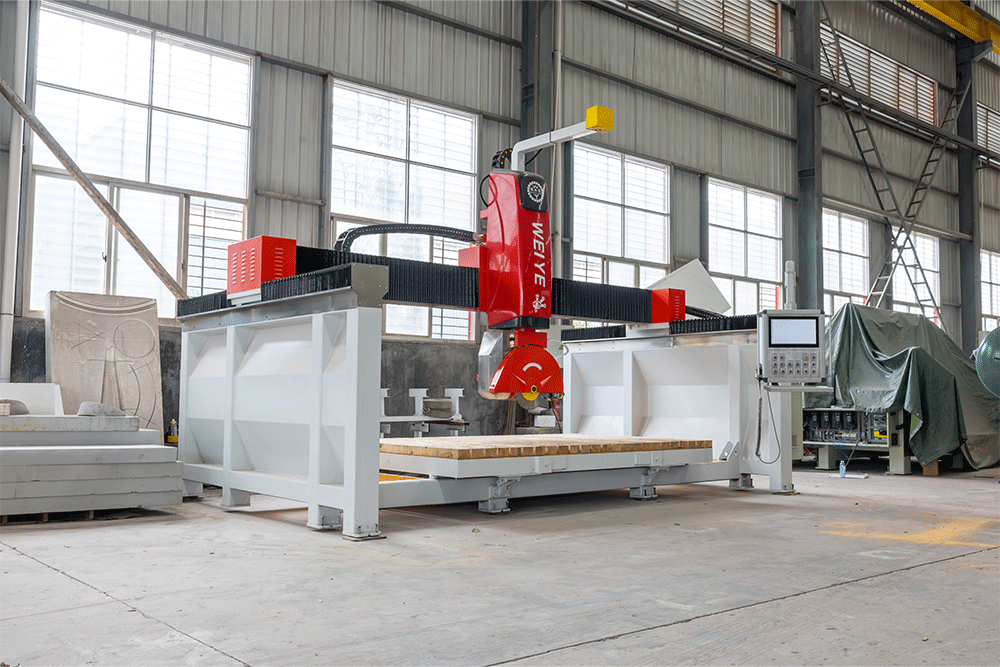

Common Issues in Stone Processing and Their Solutions
By Ever
18 Jul, 2025
5 Minutes Read
Stone processing involves multiple stages such as cutting, polishing, and finishing, each of which can impact the quality of the final product, production efficiency, and even the lifespan of equipment. This article outlines some of the most common challenges in stone processing and provides practical solutions to help optimize your workflow.
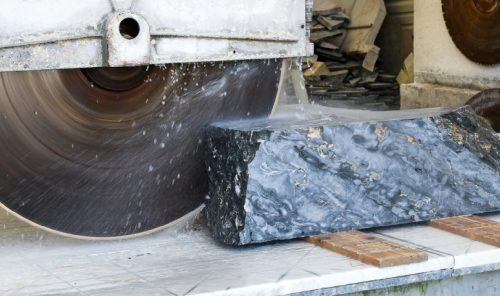
1. Uneven Cutting Problem Description: Uneven surfaces, rough edges, or misaligned cuts are common issues often caused by worn tools, improper machine settings, or operator inexperience.
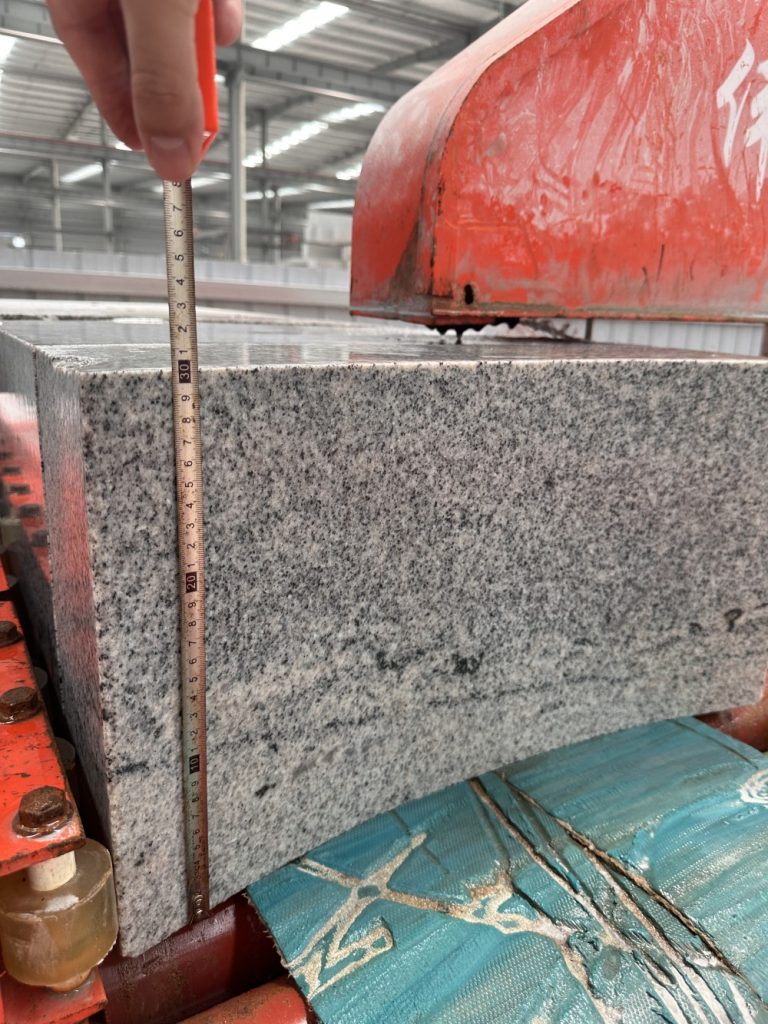
Solutions:
Check Tool Condition: Regularly inspect blades or cutting heads for sharpness and replace severely worn tools promptly.
Adjust Machine Parameters: Set appropriate cutting speed and pressure according to the type and thickness of the stone to avoid inconsistencies.
Ensure Machine Stability: Vibration or misalignment during operation can lead to uneven cuts. Perform regular checks on equipment fixation and calibration.
Control Raw Material Quality: Natural stone may contain cracks or internal flaws. Carefully inspect materials before processing to avoid using problematic pieces.
2. Stone Cracking Problem Description: Cracking may occur during cutting, polishing, or handling, compromising both aesthetics and structural integrity.
Solutions:
Use Compatible Equipment: Select cutting machines and blades suited to the stone’s hardness and characteristics to avoid excessive stress.
Improve Material Selection: Prefer stones with uniform internal structure and minimal defects to reduce the risk of cracking due to micro-fractures.
Pre-Treatment: For certain stones, apply pre-heating or soaking to enhance processability.
Handle with Care: Use shock-absorbing methods during transport and installation to prevent impact-induced cracks.
3. Surface Scratches or Roughness Problem Description: Scratches or rough areas after polishing affect the visual appeal, particularly in high-end stone products.
Solutions:
Use High-Quality Polishing Materials: Avoid low-grade polishing pads or abrasives; opt for professional, fine-grained tools.
Control Polishing Speed: Adjust polishing machine speed according to the stone type to ensure even finishing.
Clean Surface Debris: Thoroughly remove dust and particles from the stone surface before polishing to prevent scratches.
Multi-Stage Polishing: Gradually progress from coarse to fine abrasives to achieve a smooth, flawless finish.
4. Severe Equipment Wear Problem Description: Prolonged use of cutting and polishing equipment leads to wear and tear, resulting in frequent breakdowns and higher maintenance costs.
Solutions:
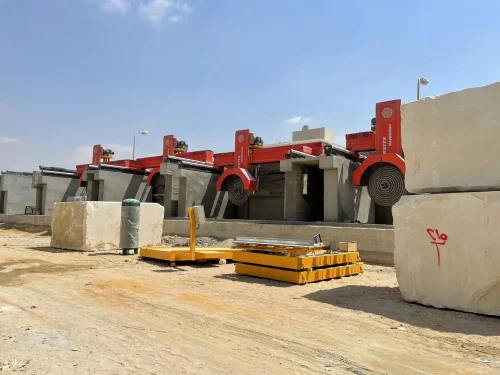
Schedule Regular Maintenance: Establish a maintenance plan and replace worn parts such as blades and polishing wheels in a timely manner.
Manage Workload Reasonably: Avoid overloading equipment and ensure operation within specified limits.
Invest in Durable Tools: Choose high-quality cutting and polishing tools to reduce wear and improve processing efficiency.
Enhance Operator Training: Standardize operating procedures to minimize wear caused by improper use.
5. Color and Veining Inconsistency Problem Description: Natural stone often exhibits color variations and irregular veining, which can create mismatches in large-scale projects.
Solutions:
Source from the Same Batch: For a single project, use stones from the same batch to maintain consistency in color and pattern.
Pre-Arrangement Layout: Pre-arrange stones before processing to distribute colors and veins in a harmonious manner.
Stone Treatment: If necessary, use colorants or sealants for minor adjustments, while preserving the stone’s natural appearance.
6. Dust Pollution During Processing Problem Description: Cutting and grinding generate large amounts of dust, posing health risks to workers and affecting equipment and workshop environment.
Solutions:
Install Dust Extraction Systems: Equip cutting and grinding machines with dust collectors to capture particles at the source.
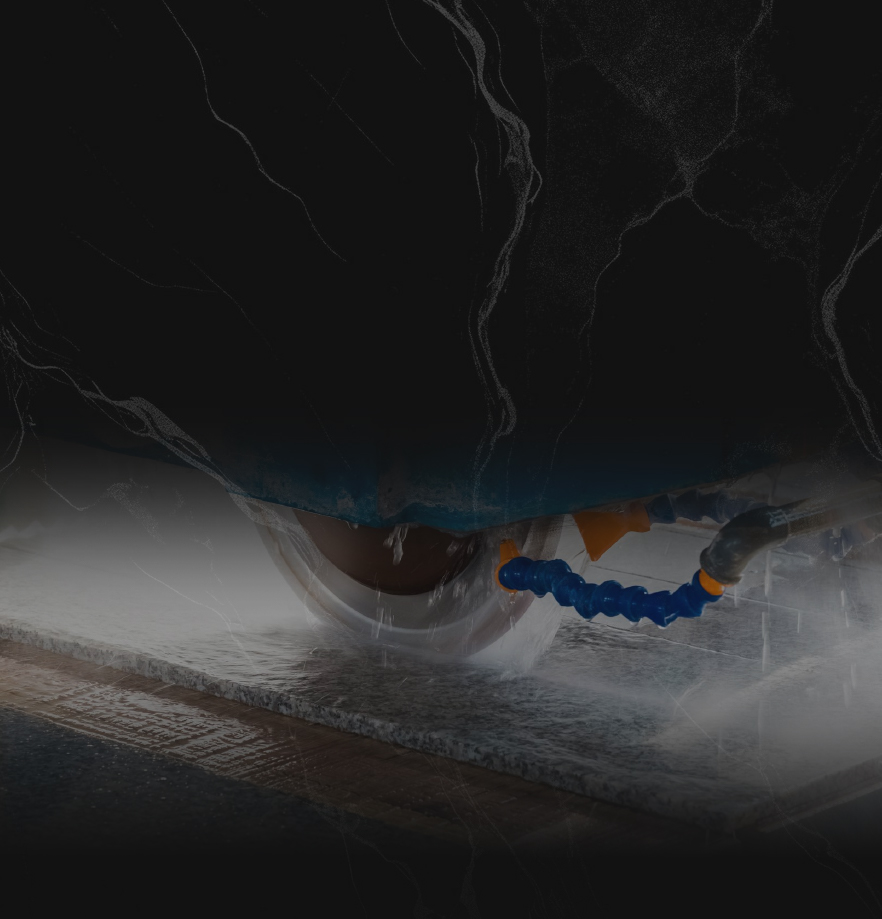
Use Water-Cooled Equipment: Employ machines with water-cooling systems to effectively suppress dust.
Maintain Clean Workspace: Clean equipment and the workshop regularly to prevent dust accumulation.
Conclusion While stone processing presents various challenges, adopting scientific management, standardized operations, and proper maintenance can significantly improve product quality and production efficiency. We hope these suggestions offer practical guidance to support continuous improvement and steady growth in your stone processing operations.
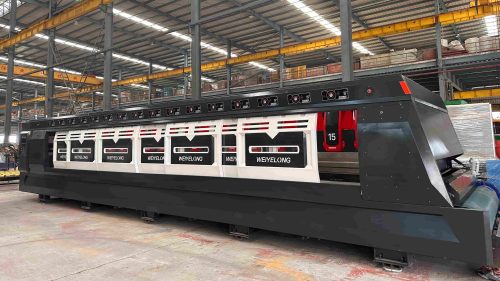
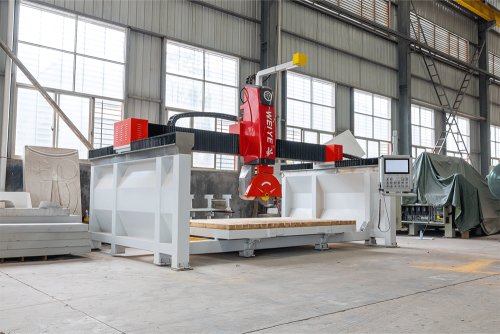
If you encounter specific issues in stone processing or need professional advice on equipment selection, feel free to contact WeiYe Machine for one-on-one technical support.